Understanding Paint Protection Films: A Comprehensive Guide


What Are Paint Protection Films?
Paint protection films, often abbreviated as PPF, are transparent layers designed to protect a vehicle's paint from damage. These films are made from a high-performance urethane material that provides a robust shield against external factors such as stone chips, bug splatters, and minor abrasions.
Originally developed for military use, these films have become popular in the automotive industry due to their durability and effectiveness. They are especially beneficial for high-end vehicles or any car owner who takes pride in maintaining their vehicle's appearance.
Benefits of Using Paint Protection Films
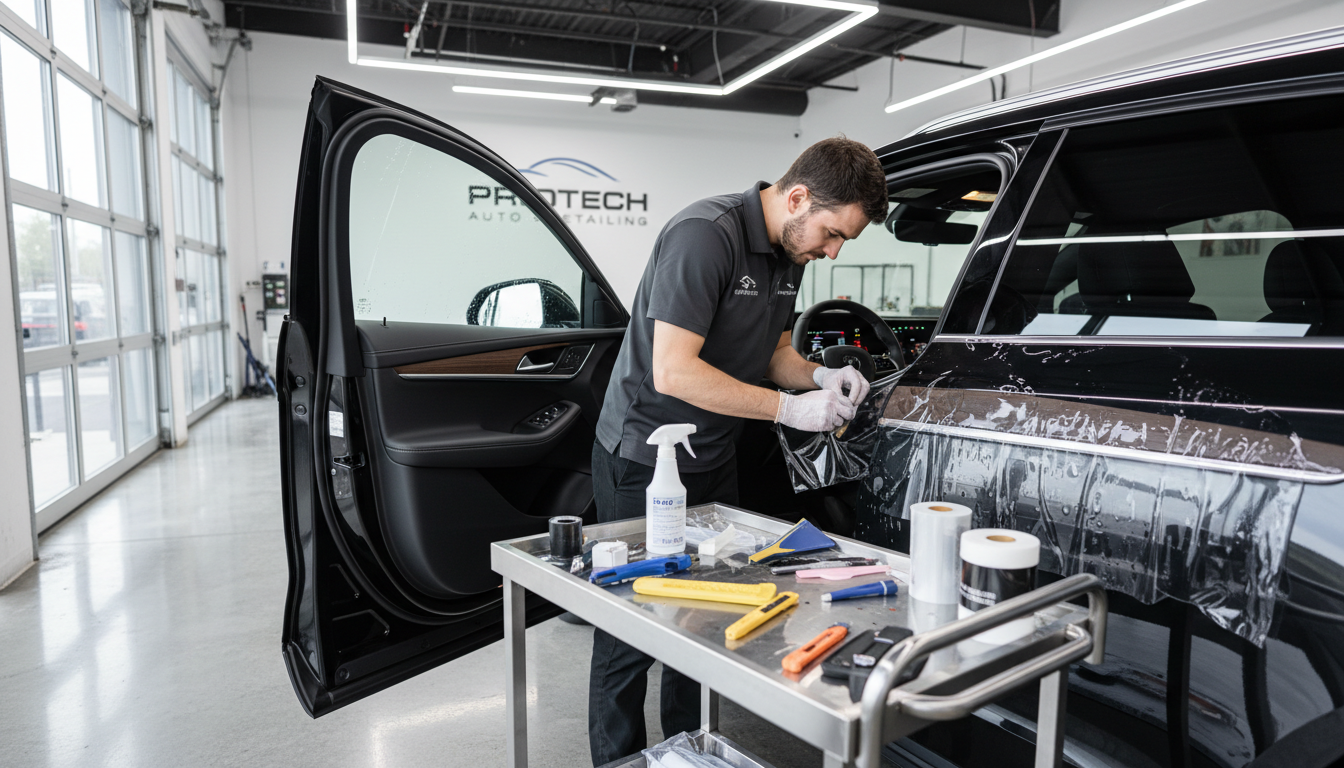
One of the primary benefits of PPF is its ability to preserve the original paint finish. The film acts as a sacrificial layer, absorbing impacts that might otherwise chip or scratch the paint. This ensures that the vehicle maintains its aesthetic appeal over time.
Additionally, PPF offers UV protection, which helps prevent paint from fading due to sun exposure. This is crucial for maintaining vibrant and consistent color on your vehicle, especially in sunny climates.
Self-Healing Properties
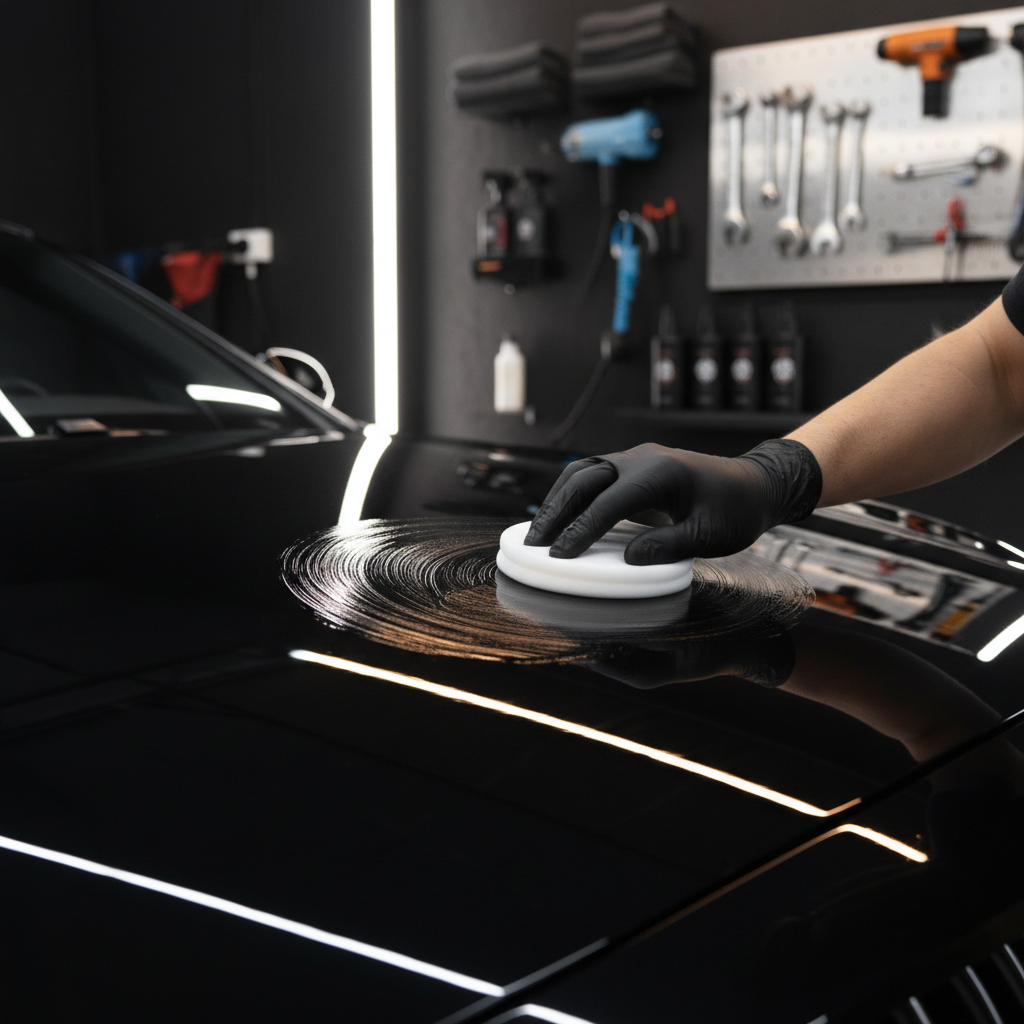
A standout feature of many modern paint protection films is their self-healing properties. Minor scratches and swirls can disappear with the application of heat, often from the sun or a warm garage, leaving your vehicle looking pristine.
Types of Paint Protection Films
There are several types of paint protection films available, each catering to different needs and preferences. Some films are designed for maximum clarity, allowing the true color of your vehicle to shine through, while others focus on providing the thickest protection possible.
When choosing a PPF, it's essential to consider factors such as thickness, clarity, and the specific areas of your vehicle you want to protect. Consulting with a professional installer can help determine the best option for your needs.
Installation Process
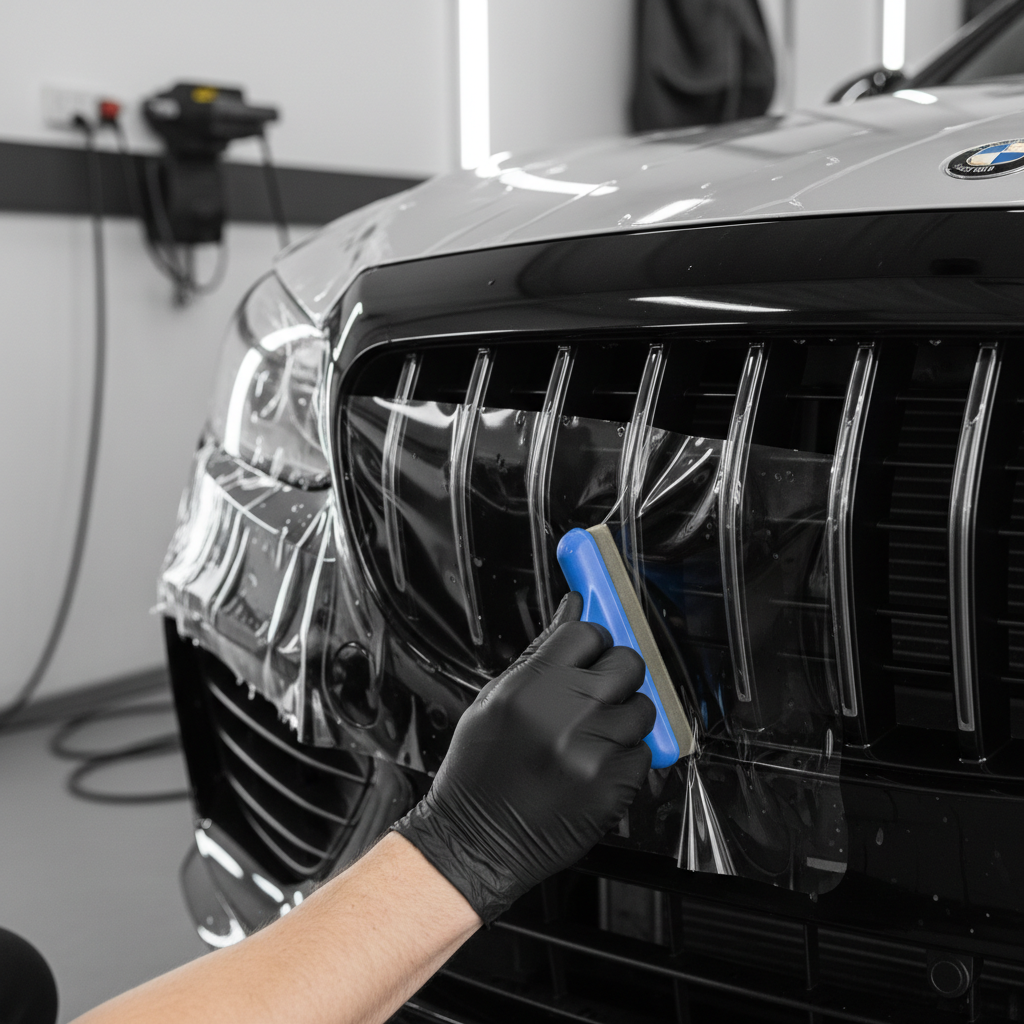
Installing paint protection film is a delicate process that requires precision and expertise. It involves thoroughly cleaning the vehicle's surface to ensure proper adhesion and carefully applying the film to avoid bubbles and wrinkles.
Professional installation is recommended, as experienced technicians use special tools and techniques to achieve a seamless finish. While DIY kits are available, they often result in subpar results if not handled correctly.
Maintenance Tips
Maintaining your paint protection film involves regular washing and the use of gentle cleaning products. Avoid abrasive tools or harsh chemicals that could damage the film. With proper care, PPF can last for several years, providing continuous protection.
Cost Considerations
The cost of paint protection film varies based on factors such as the size of the vehicle, the type of film chosen, and the installation complexity. While it may seem like a significant investment, the long-term benefits often outweigh the initial expense.
Many car owners find that PPF not only maintains the aesthetic appeal of their vehicle but also enhances its resale value by keeping the paint in near-perfect condition.
Conclusion
Paint protection films offer a comprehensive solution for those looking to preserve their vehicle's appearance and value. By understanding the benefits, types, and installation process, you can make an informed decision about whether PPF is the right choice for your vehicle.