
Top Tips for Preparing Your Vehicle for Seasonal Changes


Check and Replace Your Tires
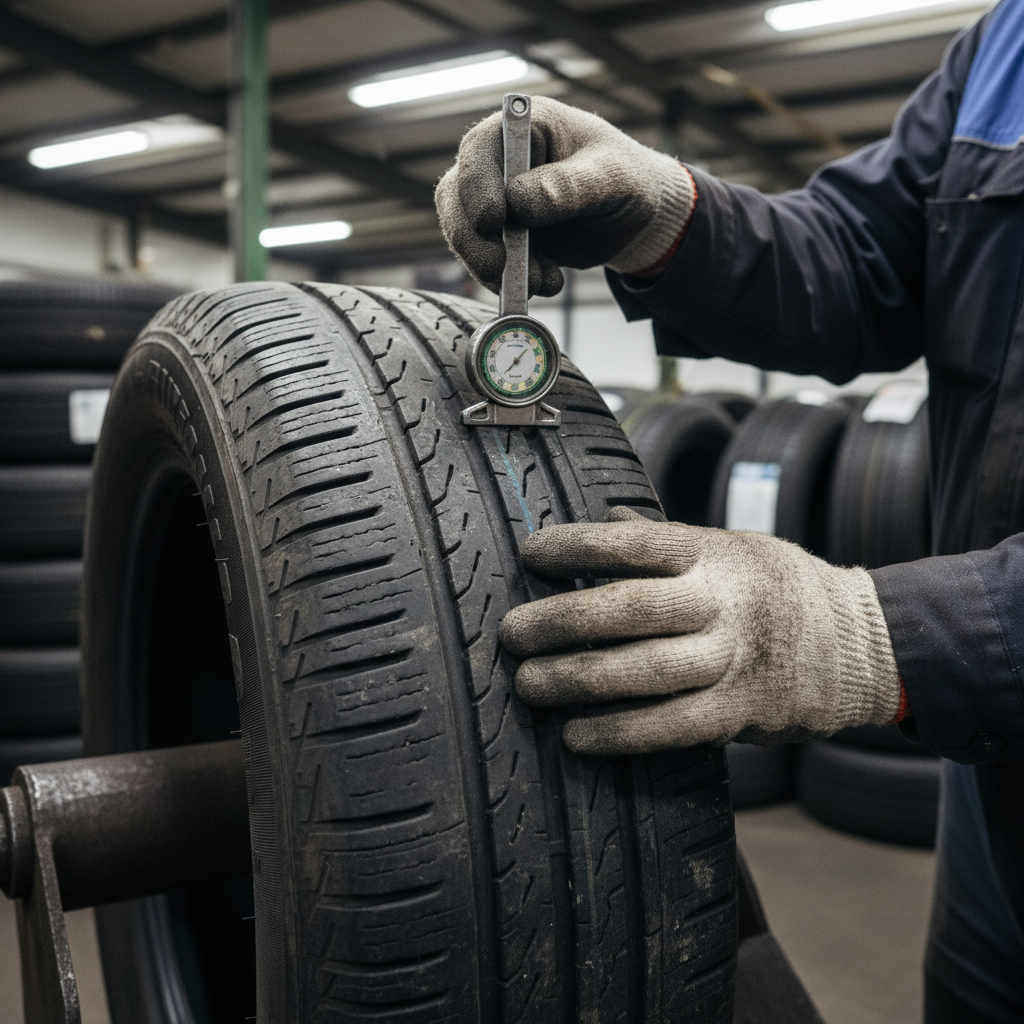
One of the most crucial aspects of vehicle maintenance as seasons change is ensuring your tires are in optimal condition. Temperature fluctuations can affect tire pressure, leading to uneven wear and potential blowouts. Regularly check your tire pressure and tread depth. Consider switching to winter or all-season tires if you live in an area prone to snow and ice.
Inspect Your Battery
Cold weather can significantly impact your vehicle's battery performance. As temperatures drop, the power required to start your car increases, while your battery's capacity decreases. Before winter sets in, have your battery tested to ensure it's fully charged and capable of holding a charge. Replace it if necessary to avoid being stranded in the cold.
Update Your Fluids
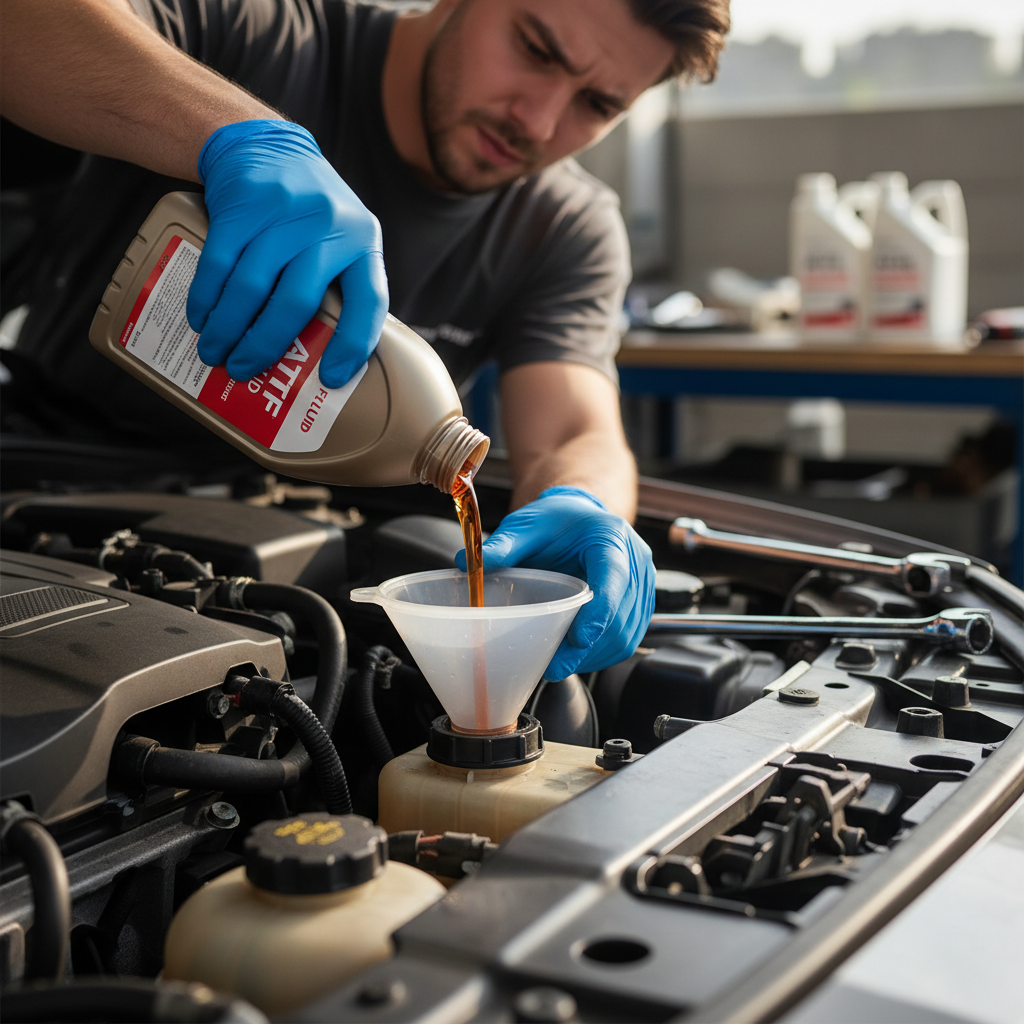
As seasons change, it's essential to check the levels and conditions of your vehicle's fluids. This includes engine oil, coolant, brake fluid, and windshield washer fluid. In colder months, use a winter-grade oil that maintains proper viscosity in low temperatures.
Check Your Heating and Cooling System
Ensure that your vehicle's heating and cooling systems are functioning correctly. A working heater is vital for comfort and safety during winter, while the cooling system is crucial to prevent overheating in the summer. Inspect your vehicle's belts and hoses for wear and tear, and replace them as needed.
Clean and Protect Your Exterior
Seasonal changes can wreak havoc on your vehicle's exterior. Rain, snow, salt, and UV rays all contribute to wear and tear. Regularly wash your car to remove debris and apply a quality wax to protect the paint. In winter, consider using a protective sealant to guard against salt and grime.

Test Your Lights
As daylight hours shorten in fall and winter, having functioning lights becomes even more critical. Regularly check your headlights, taillights, brake lights, and turn signals to ensure they're working correctly. Replace any burnt-out bulbs promptly to maintain visibility and safety.
Prepare an Emergency Kit
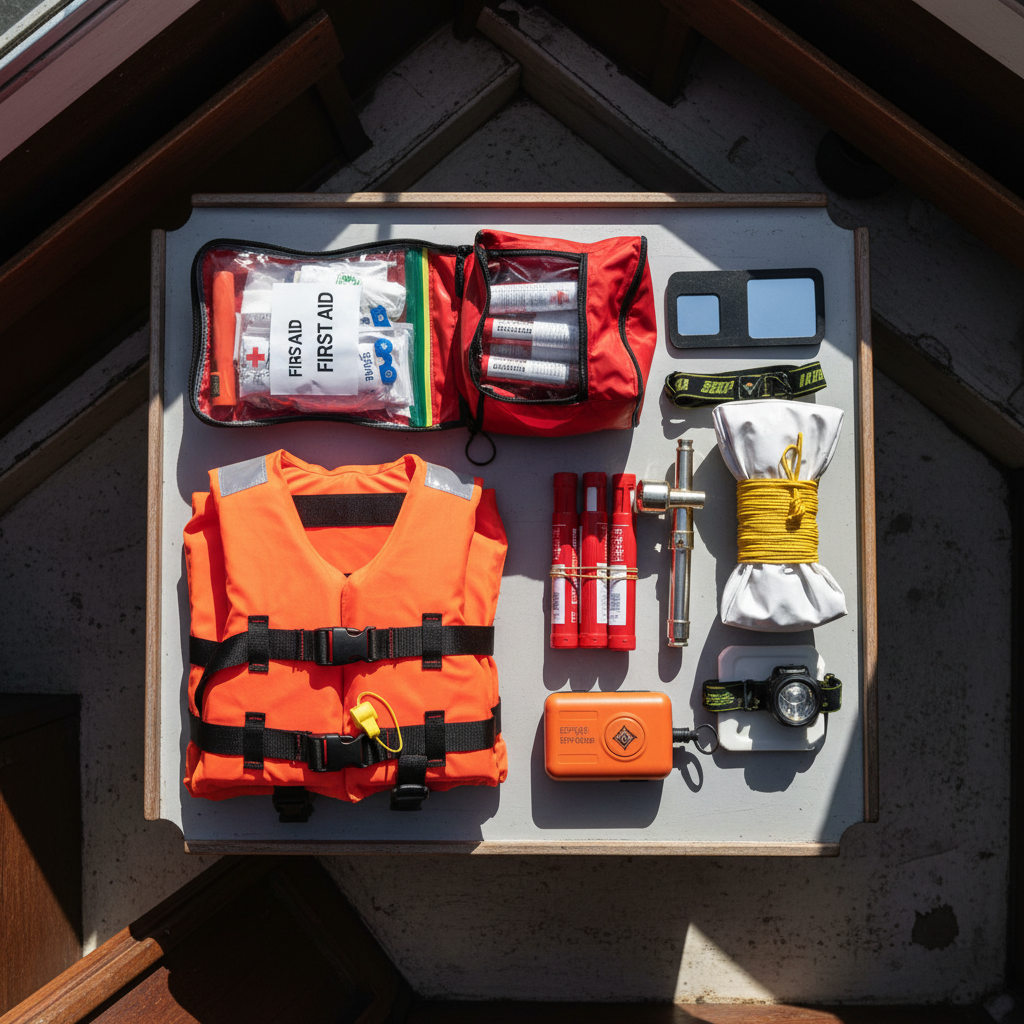
In case of unexpected breakdowns, having an emergency kit can be a lifesaver. Include essentials like jumper cables, a flashlight, blankets, non-perishable snacks, water, and a first-aid kit. In winter, add items like a snow shovel, ice scraper, and sand or kitty litter for traction.
Conclusion
Preparing your vehicle for seasonal changes is crucial for maintaining its longevity and ensuring your safety on the road. By taking the time to check your tires, battery, fluids, and more, you can prevent potential problems and enjoy peace of mind, regardless of the weather.