
The Ultimate Guide to Engine Bay Cleaning: Boost Your Car's Performance


Introduction to Engine Bay Cleaning
Keeping your car's engine bay clean is not just about aesthetics; it plays a critical role in maintaining your vehicle's performance. A clean engine bay can help you spot potential issues early, prevent rust, and ensure that your car runs efficiently. In this guide, we'll walk you through the essential steps to achieve a spotless engine bay that contributes to a smoother ride.
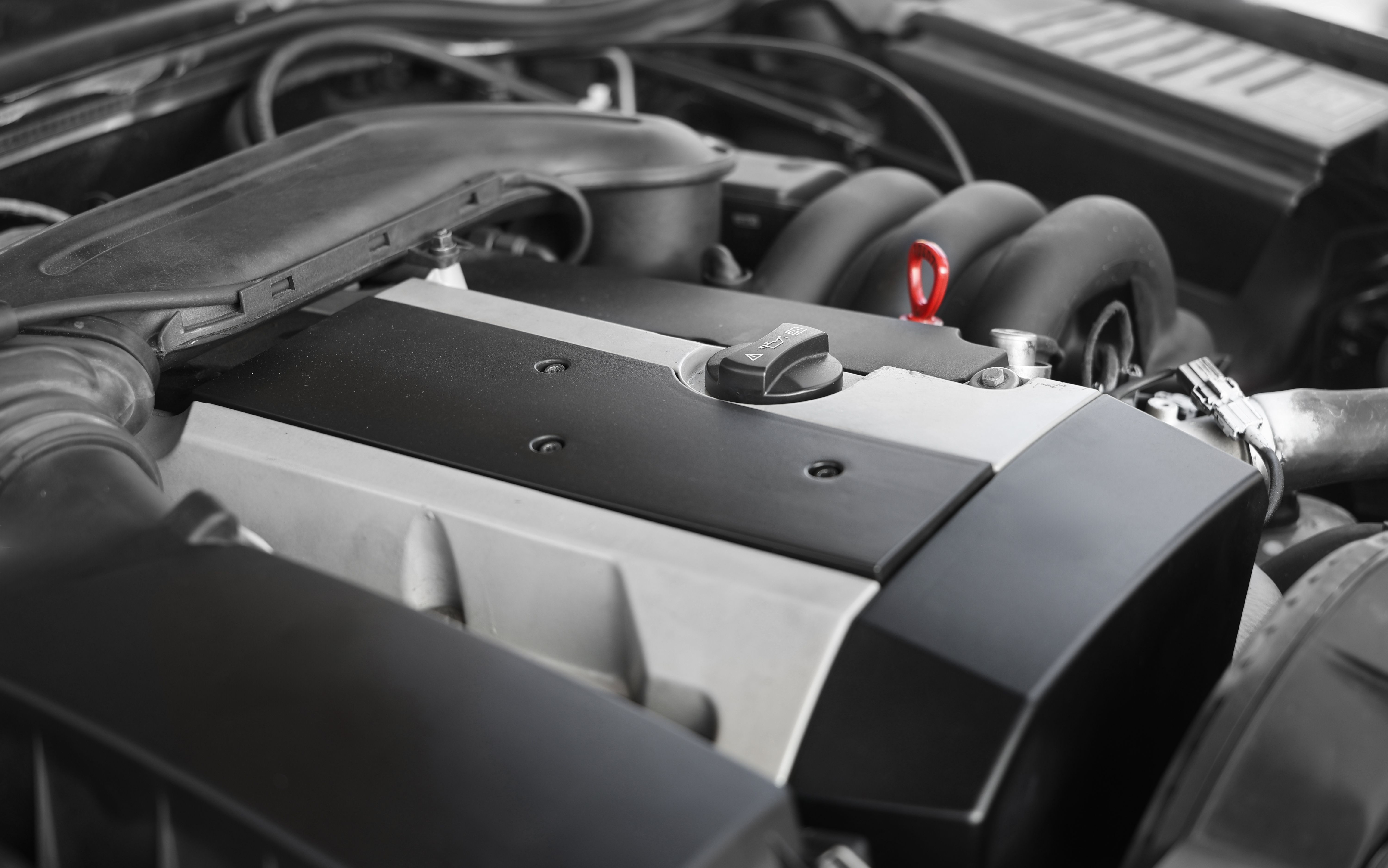
Why Clean Your Engine Bay?
A clean engine bay offers numerous benefits beyond the obvious visual appeal. First, it helps in identifying leaks and worn-out parts quickly, potentially saving you from costly repairs. Second, it can reduce the risk of corrosion, which can damage sensitive components over time.
Additionally, regular cleaning can prevent debris from clogging important systems, ensuring that your car operates at its optimal capacity. This practice can also increase the resale value of your vehicle, as potential buyers often appreciate a well-maintained engine area.
Tools and Materials Needed
Before diving into the cleaning process, gather the necessary tools and materials to ensure an efficient job. You'll need:
- A pressure washer or garden hose with a spray nozzle
- Engine degreaser
- Soft-bristled brushes or sponges
- Microfiber cloths
- Plastic bags and tape for covering electrical components
- Protective gloves and goggles
Preparing Your Engine Bay
Proper preparation is crucial before you start cleaning. Begin by ensuring the engine is cool to prevent burns or damage. Disconnect the battery to avoid electrical shorts. Use plastic bags and tape to cover sensitive parts like the alternator, air intake, and any exposed wiring or sensors.
Once everything is secure, remove any loose debris or leaves by hand or with a soft brush. This step will make the cleaning process more effective and prevent clogging of drainage areas.
The Cleaning Process
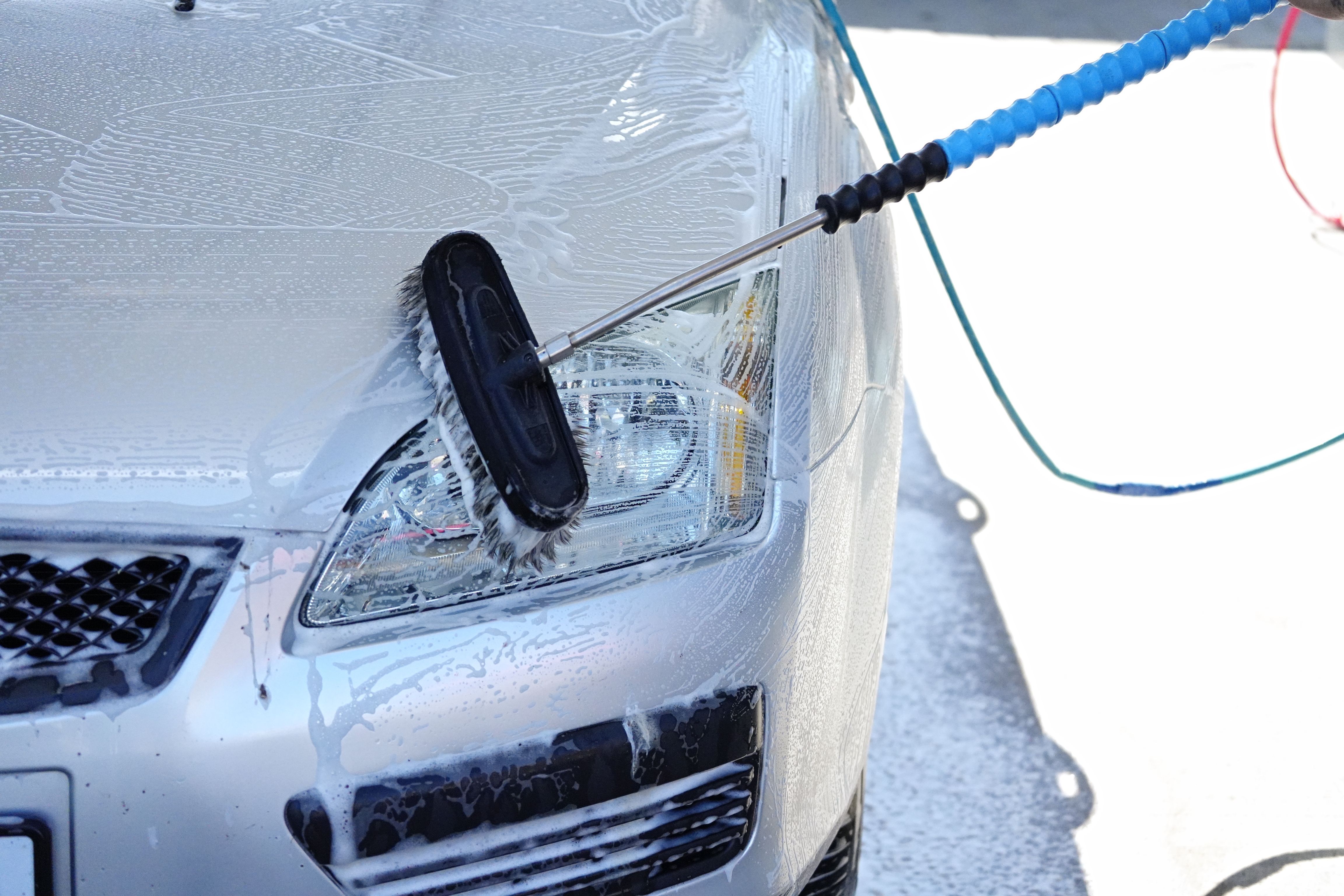
Start by applying an engine degreaser over the surfaces you're cleaning. Allow it to sit for a few minutes, but avoid letting it dry on the engine. Using a soft-bristled brush or sponge, gently scrub areas where there's visible grime or grease buildup.
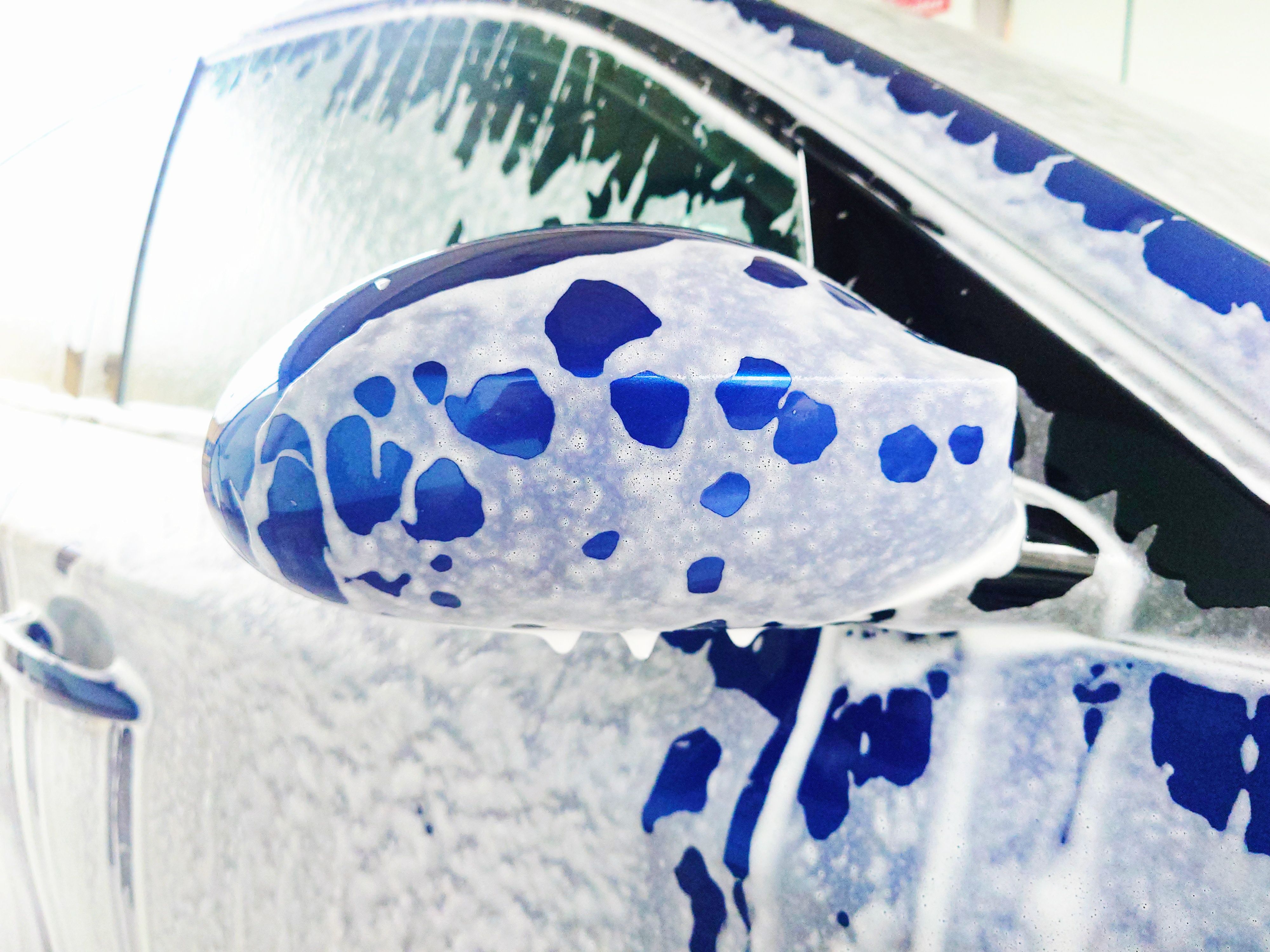
Rinse thoroughly with a pressure washer or hose set to a low-pressure setting to avoid damaging components. Ensure all degreaser residues are completely washed off, as they can attract more dirt over time. Use microfiber cloths to dry the engine bay carefully.
Post-Cleaning Inspection
After cleaning, inspect the engine bay for any signs of damage or parts that may need attention. Check for leaks or unusual wear and tear that might have been hidden under grime.
Reconnect the battery, remove all protective coverings, and start the engine to ensure everything is functioning correctly. Listen for any unusual noises that may indicate a problem.
Maintaining a Clean Engine Bay
Regular maintenance is key to keeping your engine bay clean and your car running smoothly. Aim to clean your engine bay every six months or more frequently if you drive in dusty or dirty conditions.
In between major cleanings, perform quick inspections and wipe down accessible surfaces with a microfiber cloth. This routine will help maintain cleanliness and prolong the life of your vehicle's components.