
Seasonal Car Care: Preparing Your Vehicle for Winter in Kronenwetter


Why Winter Car Care Matters
As the temperatures drop in Kronenwetter, ensuring your vehicle is ready for winter becomes essential. Proper seasonal car care not only extends the life of your vehicle but also keeps you safe on icy roads. Preparing your car for winter involves a few critical steps that help maintain its performance and reliability.
Winter brings unique challenges, such as icy roads, freezing temperatures, and snow. By taking proactive measures, you can avoid common problems like battery failure, tire issues, and engine trouble. Let's explore the essential steps for preparing your vehicle for the cold months ahead.

Check Your Battery and Electrical System
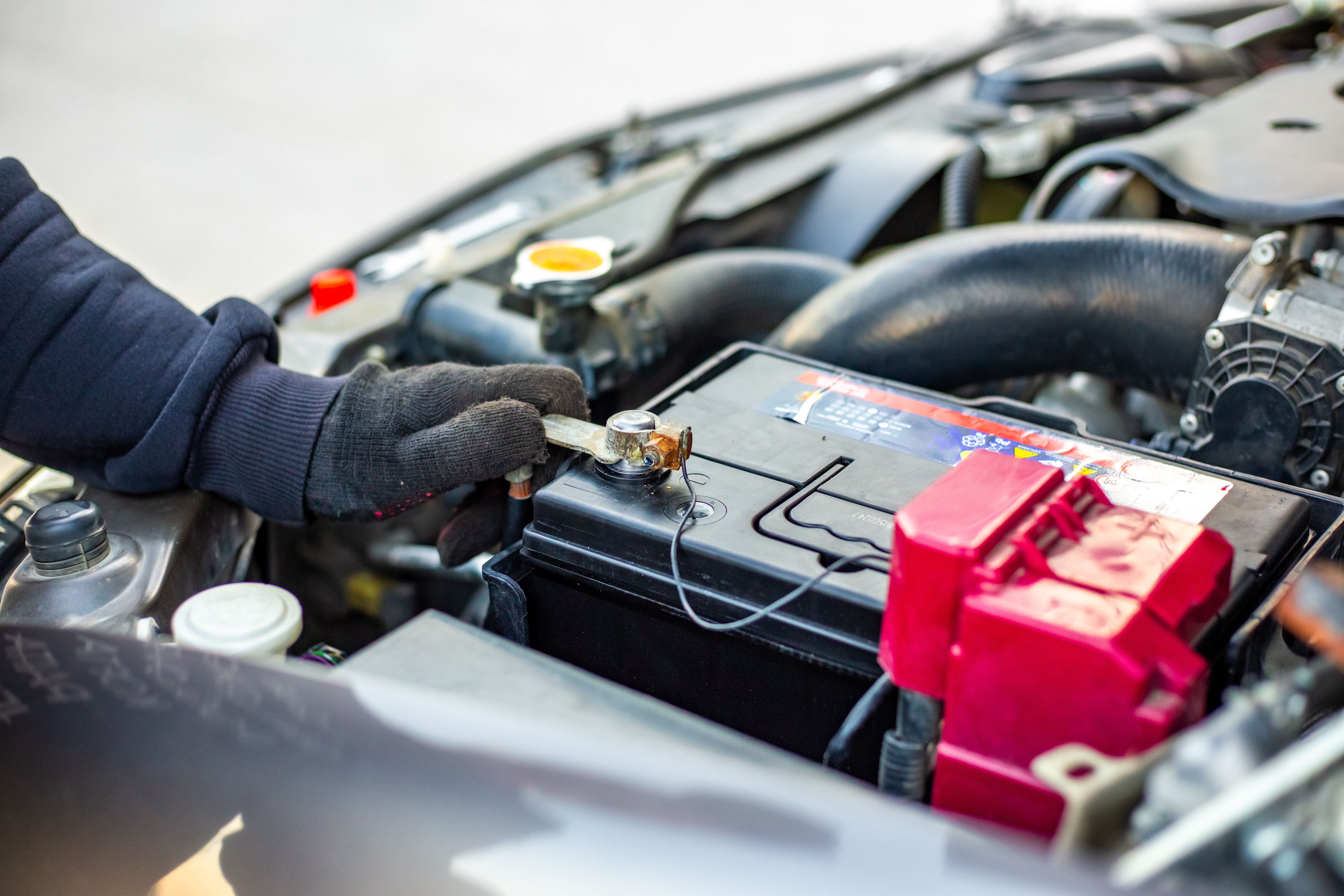
The cold weather can be tough on your car's battery. It's important to ensure your battery is in good condition and fully charged. A weak battery may not start your car on a frigid morning.
Battery Inspection
Begin by checking the battery terminals for corrosion and ensuring they are tightly connected. If your battery is more than three years old, consider having it tested by a professional to ensure it's still holding a strong charge.
Electrical System
While inspecting the battery, also check other parts of the electrical system, including the alternator and starter. Any issues in these components might lead to starting problems in cold weather.
Ensure Proper Tire Maintenance
Proper tire maintenance is crucial for safe winter driving. Cold weather can cause tire pressure to drop, which affects your vehicle's handling and fuel efficiency.
Tire Pressure
Regularly check your tire pressure and adjust it according to the manufacturer's recommendations. Under-inflated tires can lead to reduced traction and increased wear.
Winter Tires
Consider investing in winter tires, which offer better grip in snow and ice compared to all-season tires. They can significantly improve your vehicle's stability and safety during the winter months.

Keep Fluids in Check
Fluids play a vital role in maintaining your vehicle's performance, especially in cold weather. Ensure that your car's fluids are at the right levels and in good condition.
Coolant and Antifreeze
Check your coolant level and top it off if necessary. Make sure the antifreeze mixture is adequate to prevent freezing in low temperatures.
Oil Change
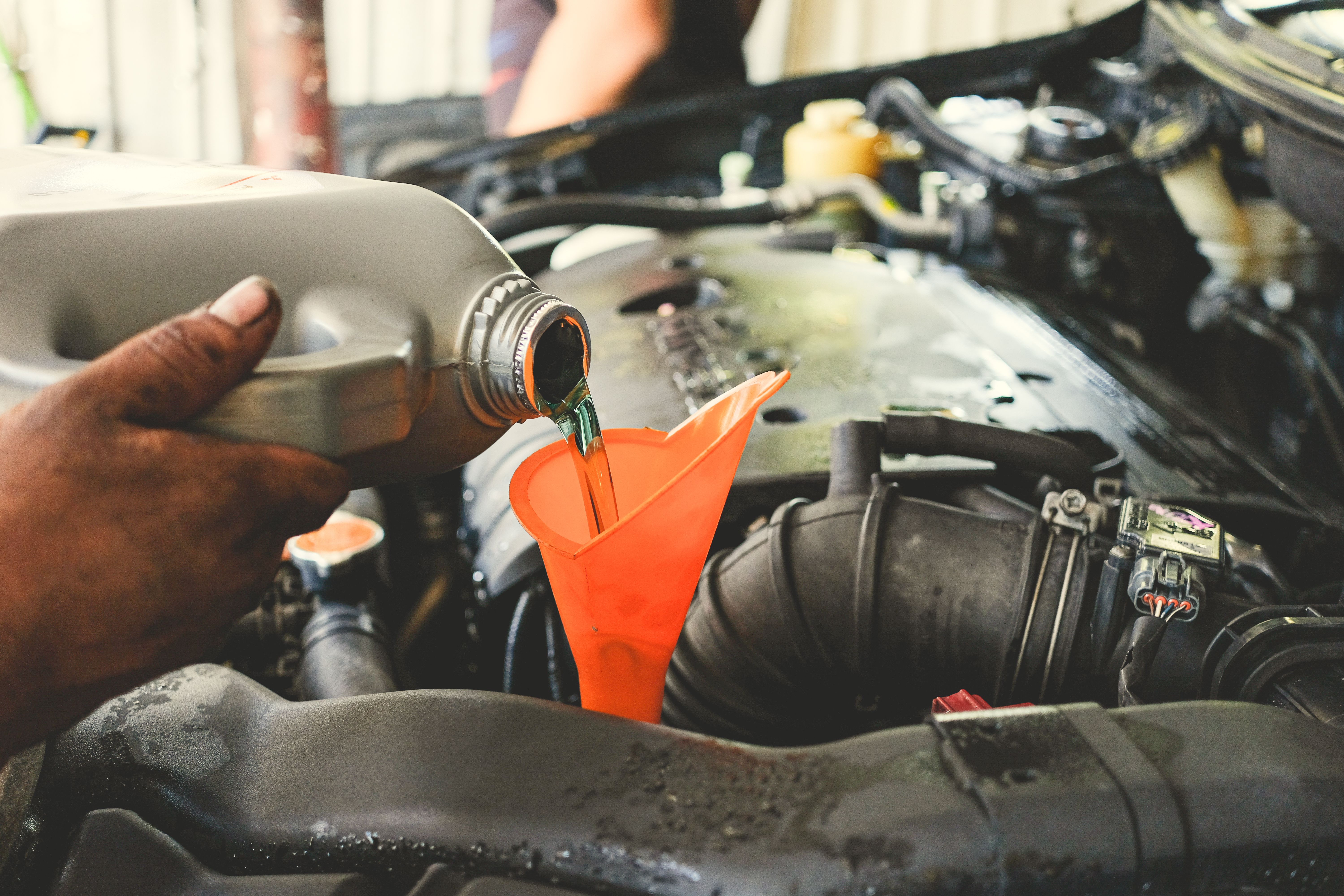
Consider switching to a winter-grade oil, which flows more easily in cold temperatures. This can help your engine start more smoothly and reduce wear during the winter months.
Protect Your Vehicle's Exterior
Winter conditions can be harsh on your car's exterior. Snow, ice, and road salt can lead to corrosion and damage if not addressed properly.
Wax and Clean
Apply a coat of wax to protect your car's paint from the elements. Regular washing during winter can also help remove salt and grime, reducing the risk of rust.
By following these steps, you can ensure your vehicle remains in top condition throughout the winter months in Kronenwetter. Taking the time to prepare your car now can save you from unexpected breakdowns and costly repairs later.